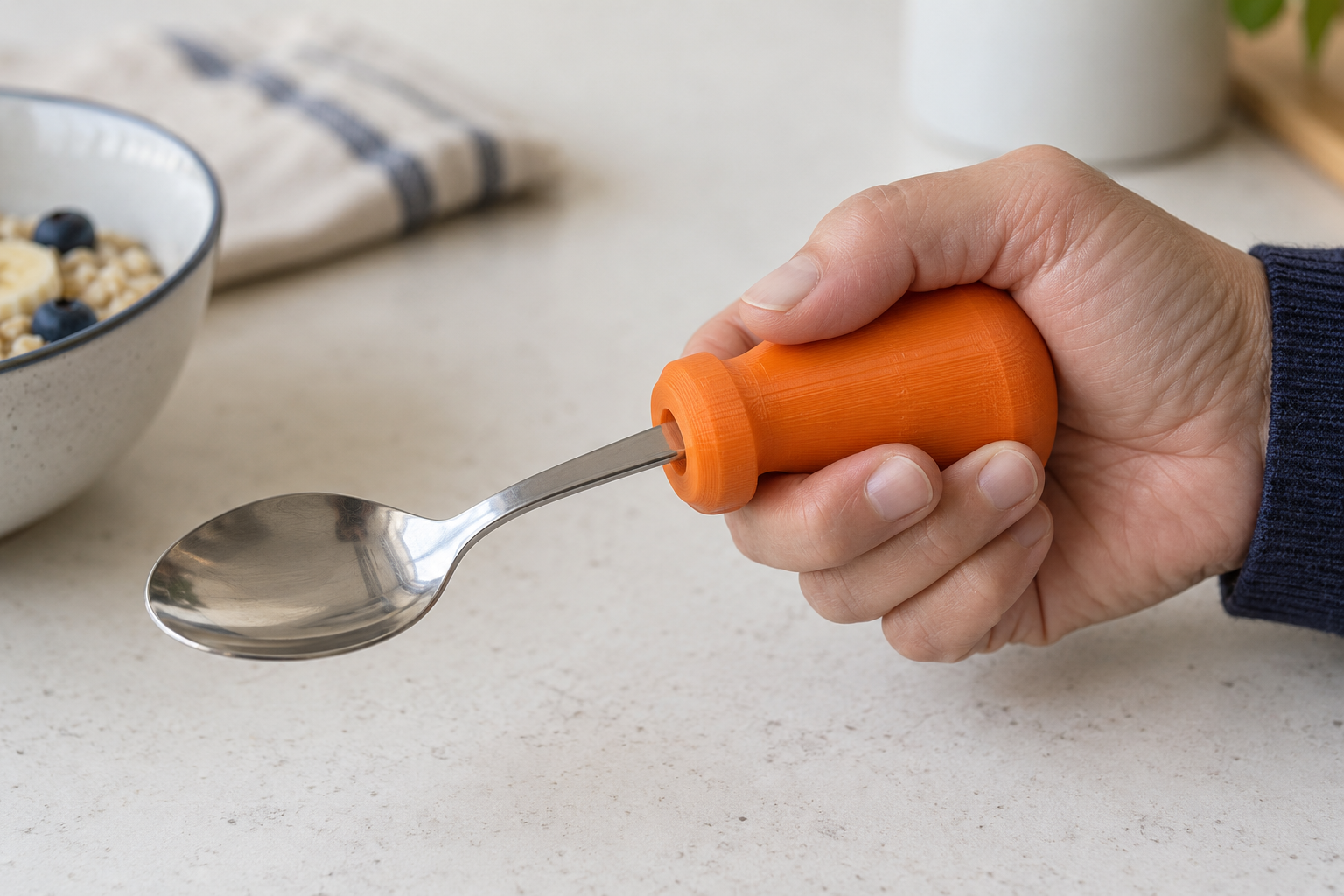
Inclusive and Accessible Design
Solutions improving accessibility, independence, safety or usability for people with different physical, sensory, cognitive or neurodivergent needs.
Engineering Better Products for People and Planet
Team registration is now open. Register your team to take part in the Inclusive Additive Design Challenge.
The Inclusive Additive Design Challenge invites undergraduate students to combine engineering knowledge, creativity and empathy to develop practical solutions with measurable benefits for people, communities and the planet.
Through inclusive design and additive manufacturing, participants identify real needs and develop functional prototypes that improve accessibility, everyday usability or sustainability. The challenge brings together research, design, engineering analysis and testing, encouraging students to demonstrate how thoughtful engineering and 3D printing can turn ideas into meaningful real-world solutions.
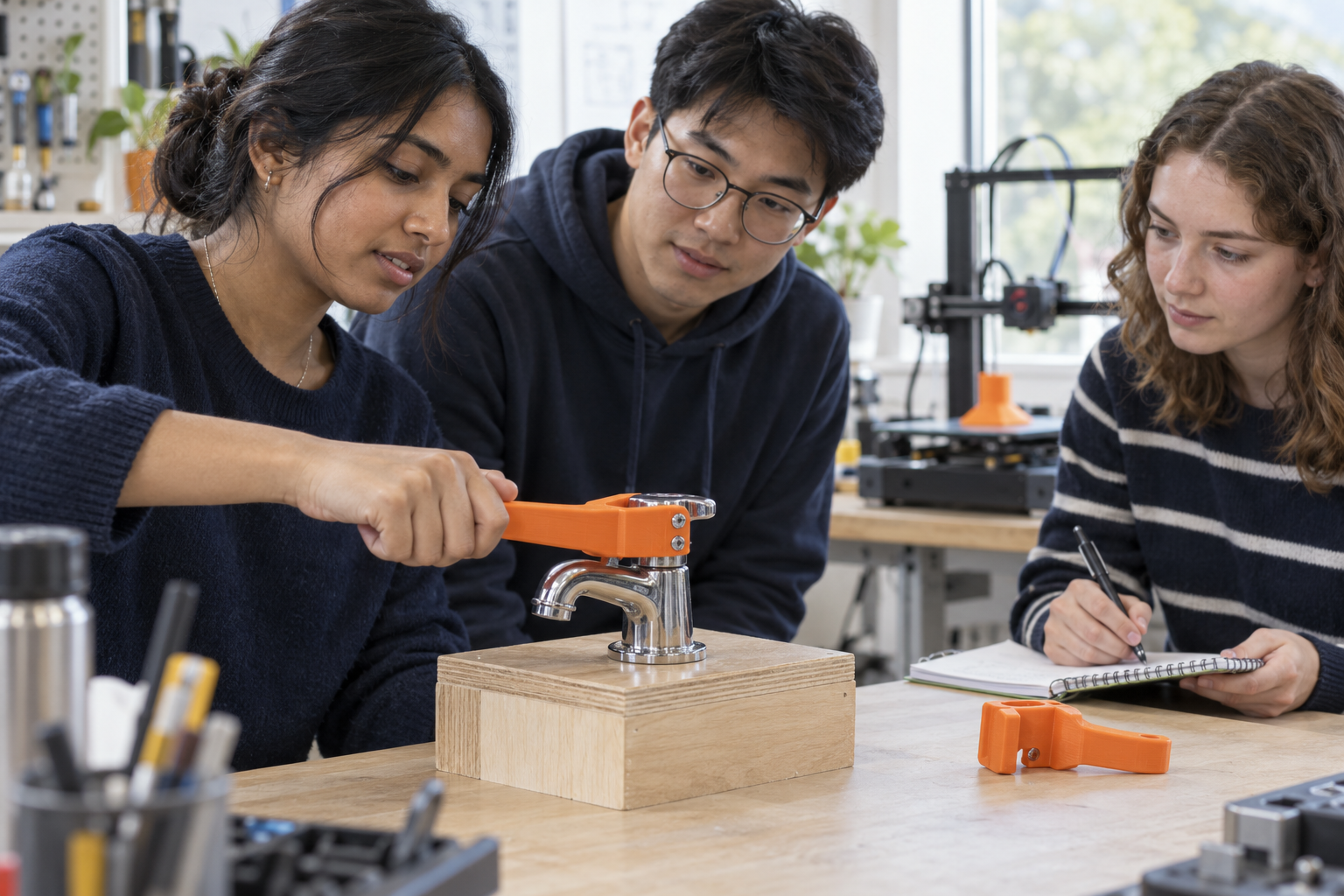
Projects may address one theme or combine several themes.
Solutions improving accessibility, independence, safety or usability for people with different physical, sensory, cognitive or neurodivergent needs.
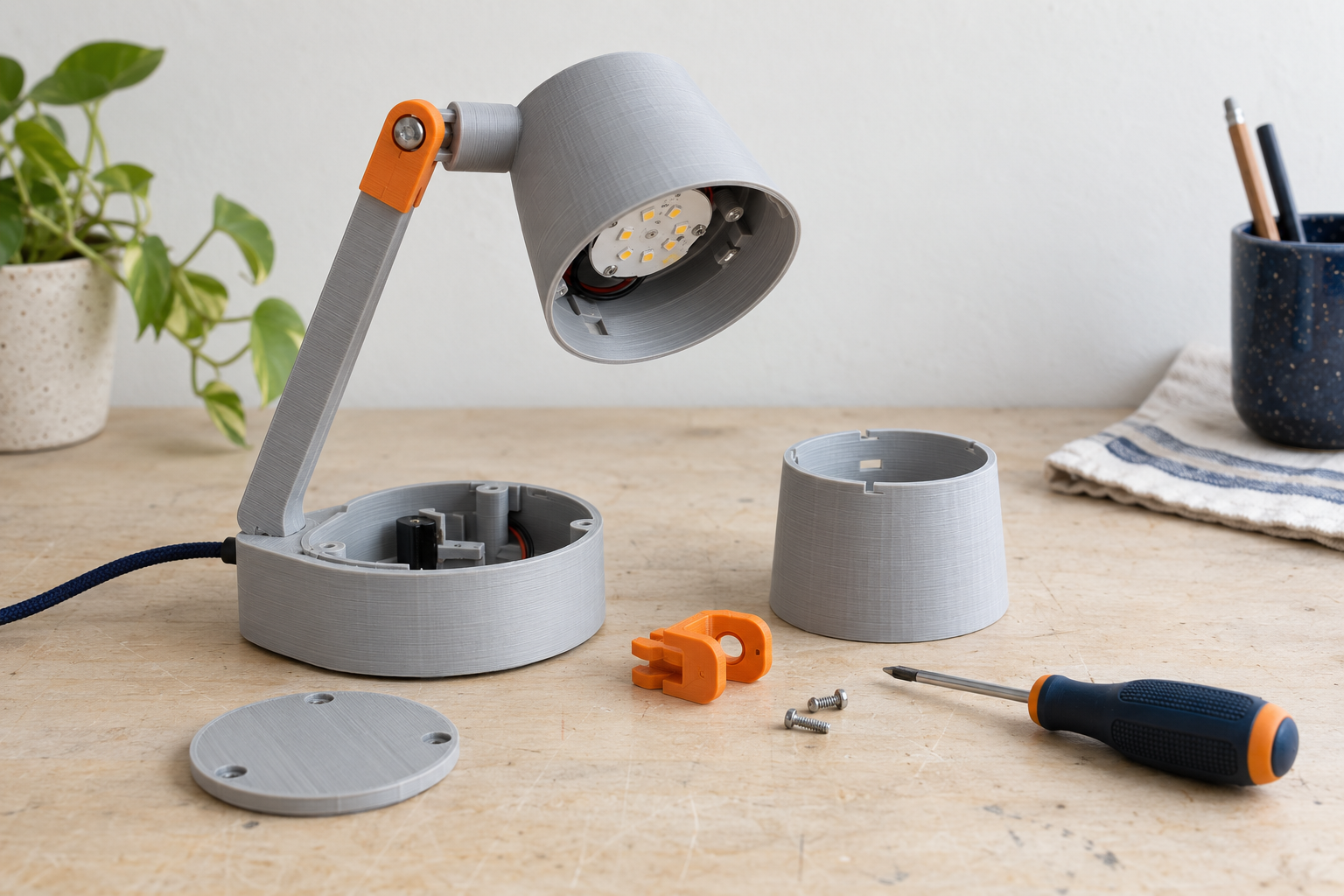
Solutions reducing material, waste or energy, extending product life, supporting repair, reuse or recycling.
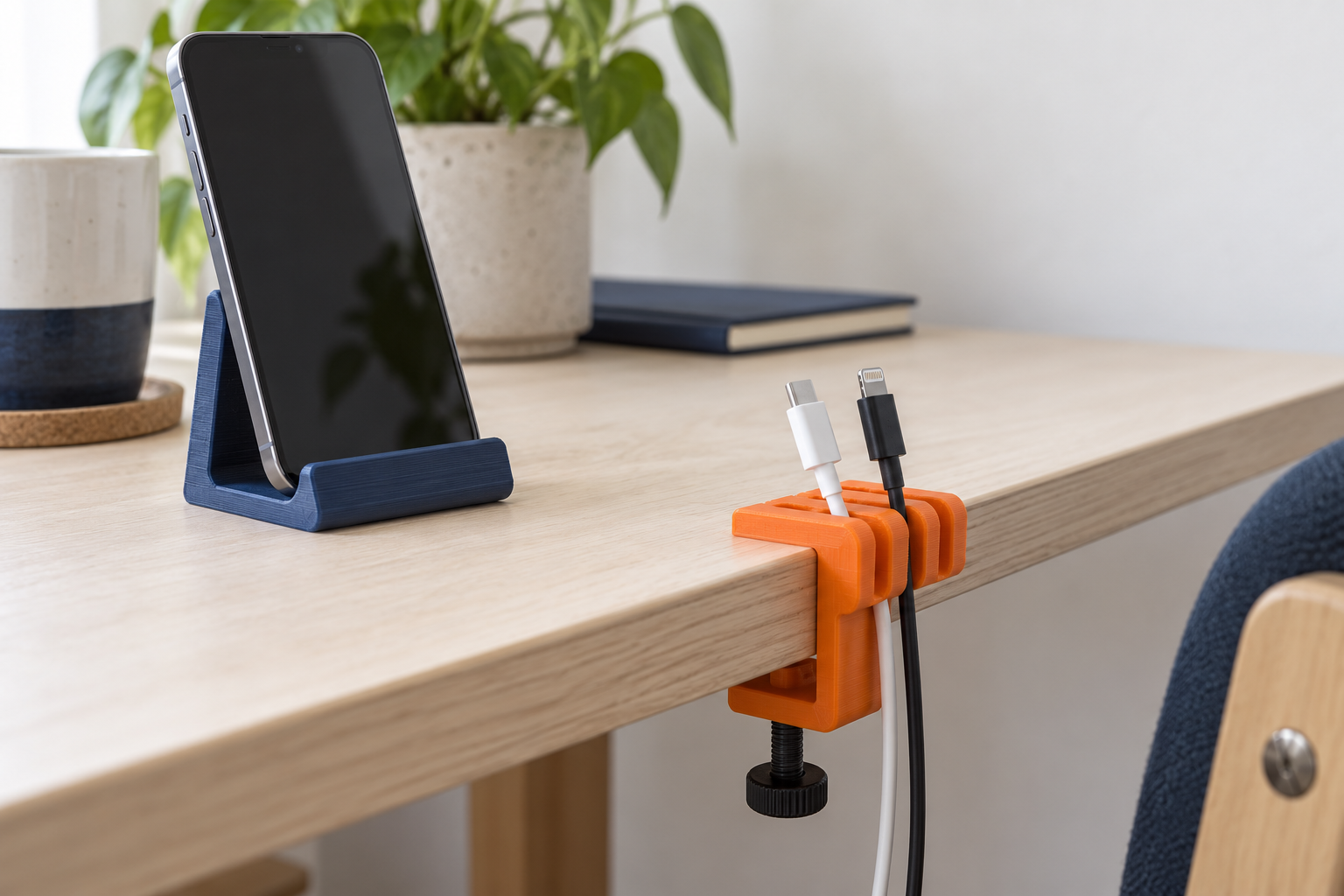
Practical designs improving comfort, ergonomics, safety, convenience, maintenance or usability.
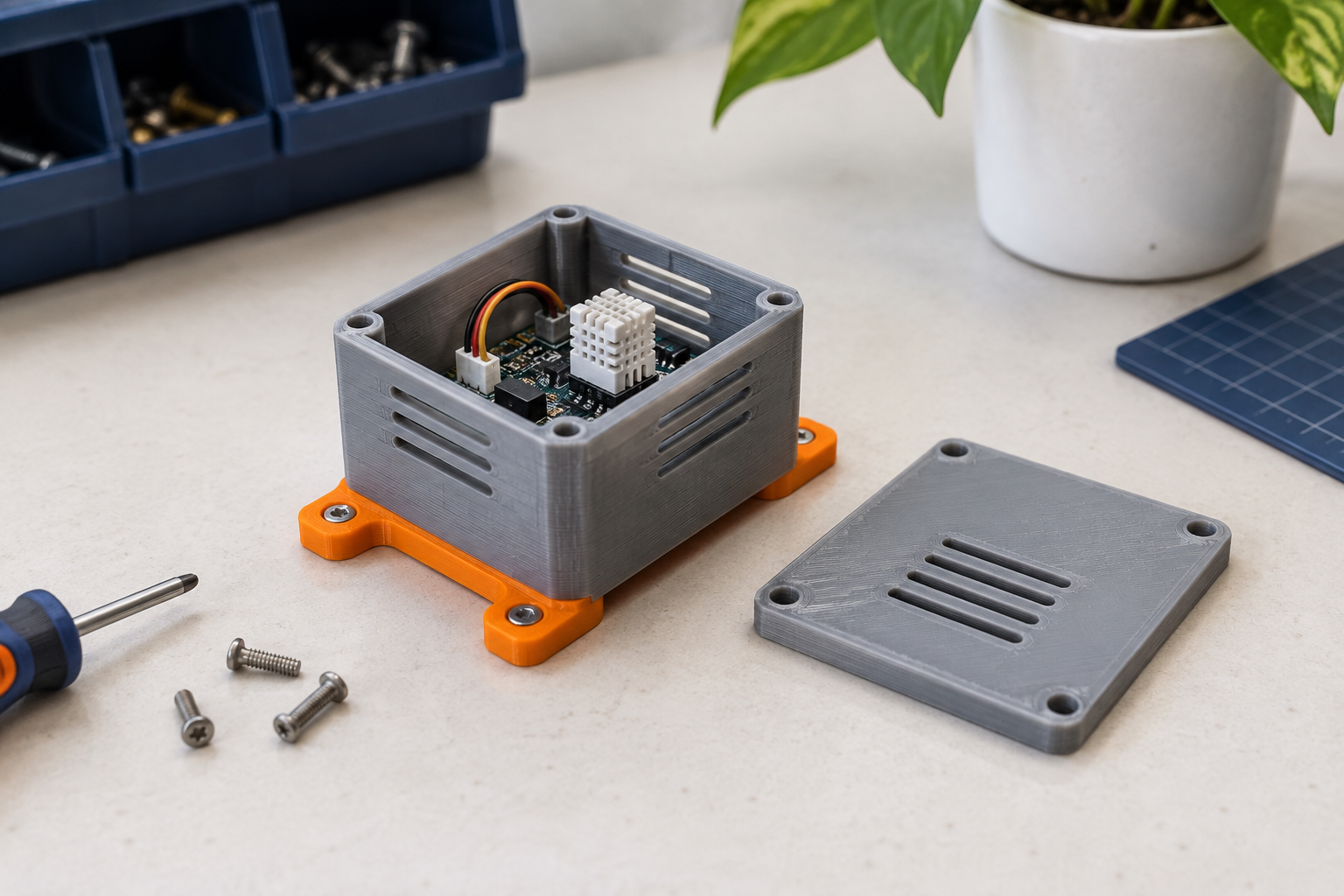
Mechanical, automotive, biomedical, civil, energy, electronic, manufacturing or consumer solutions combining printed parts with appropriate features.
Team registration begins
Design Methodologies for Additive Manufacturing
Inclusive Design: Engineers Leave No One Behind
Final date for teams to register
Final date for complete project submissions
Held separately at each participating institution
Hosted by a participating institution
These are illustrative examples, not prescribed topics. Teams should identify genuine problems and develop original solutions.
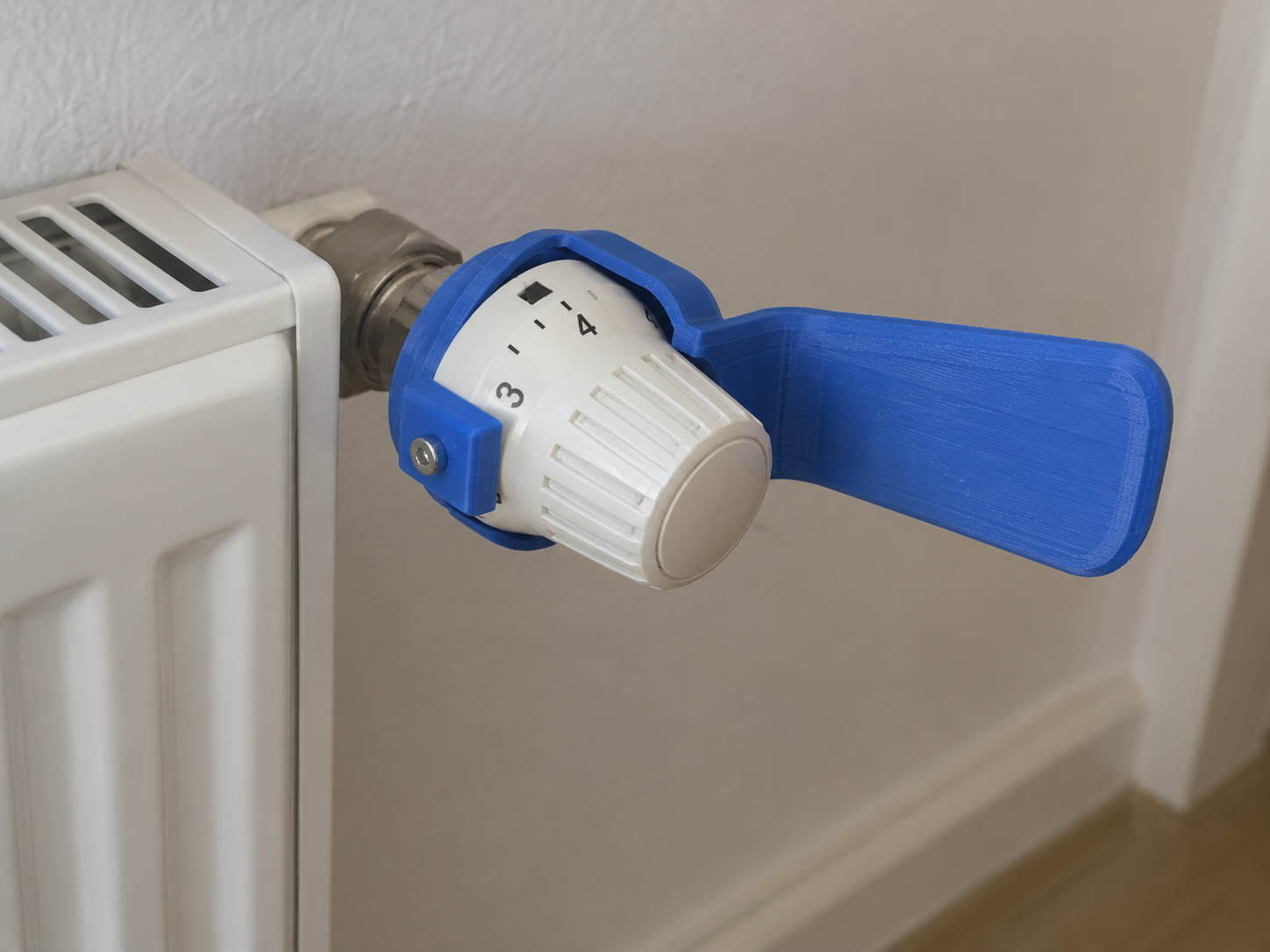
A clip-on ergonomic extension that makes a household control easier to operate for users with reduced grip strength
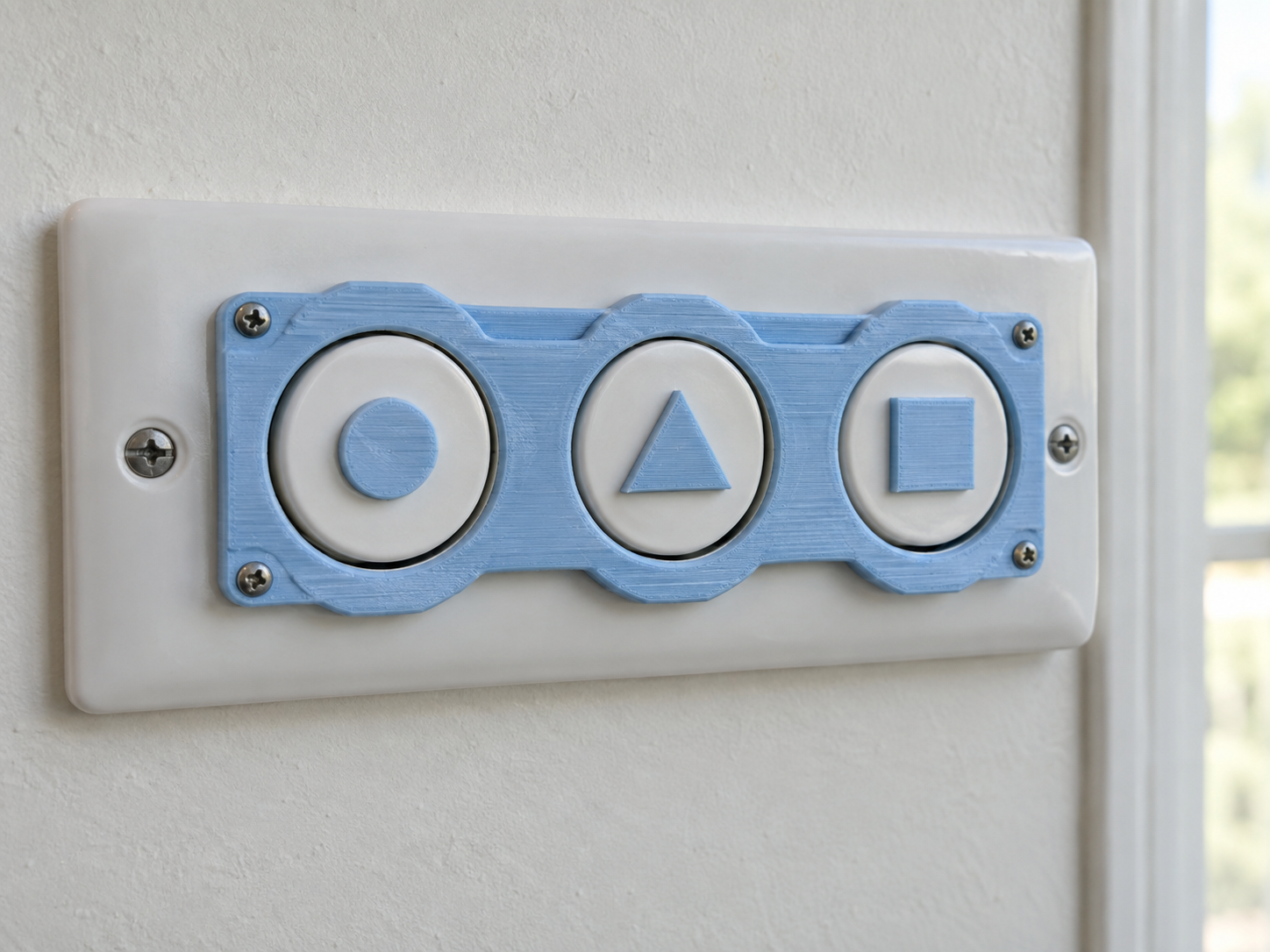
A tactile interface that improves the usability of a public or domestic product for users with visual impairments
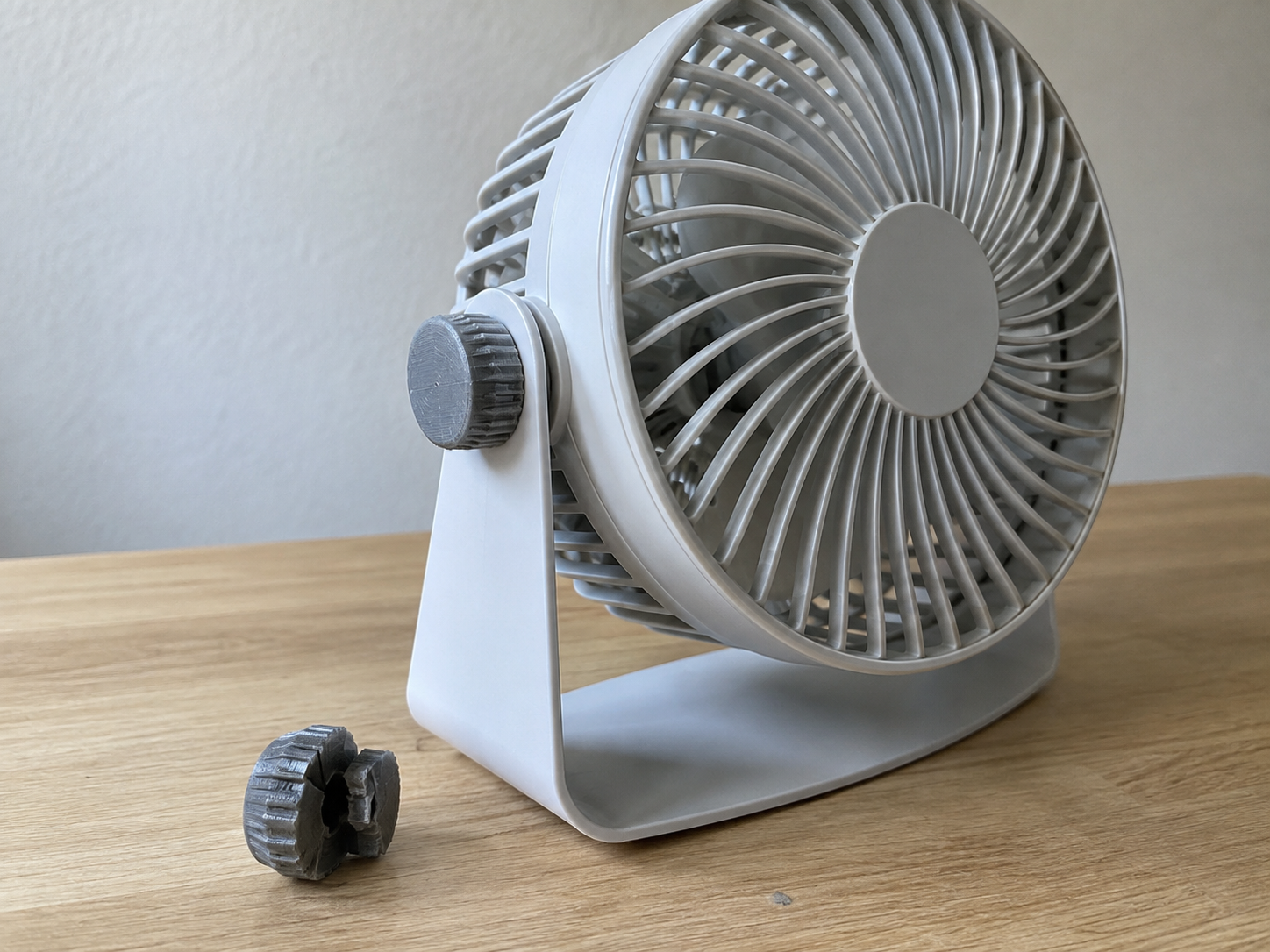
A replacement component that repairs an appliance and prevents the complete product from being discarded
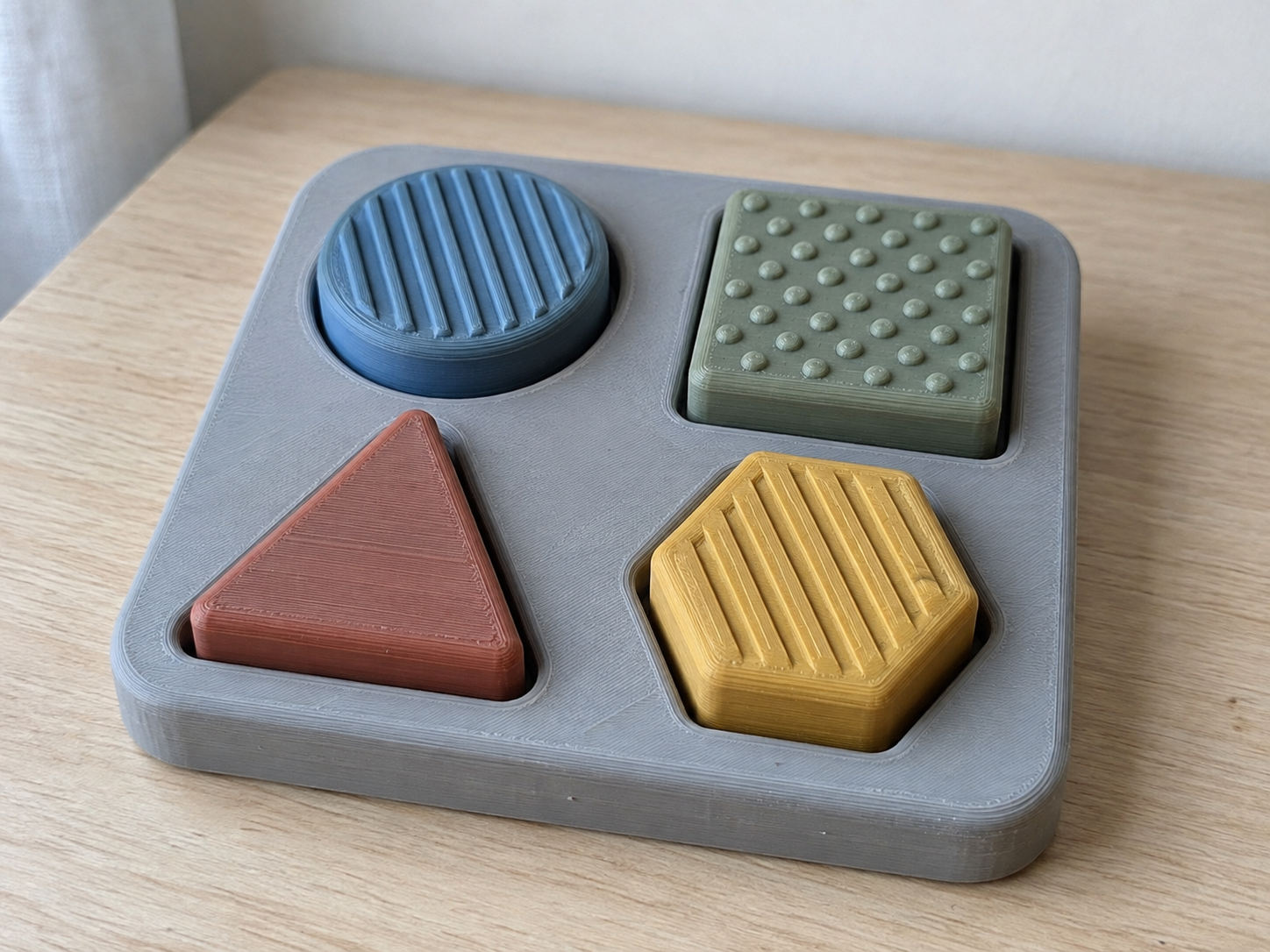
A modular learning aid adaptable for children with different sensory or cognitive needs
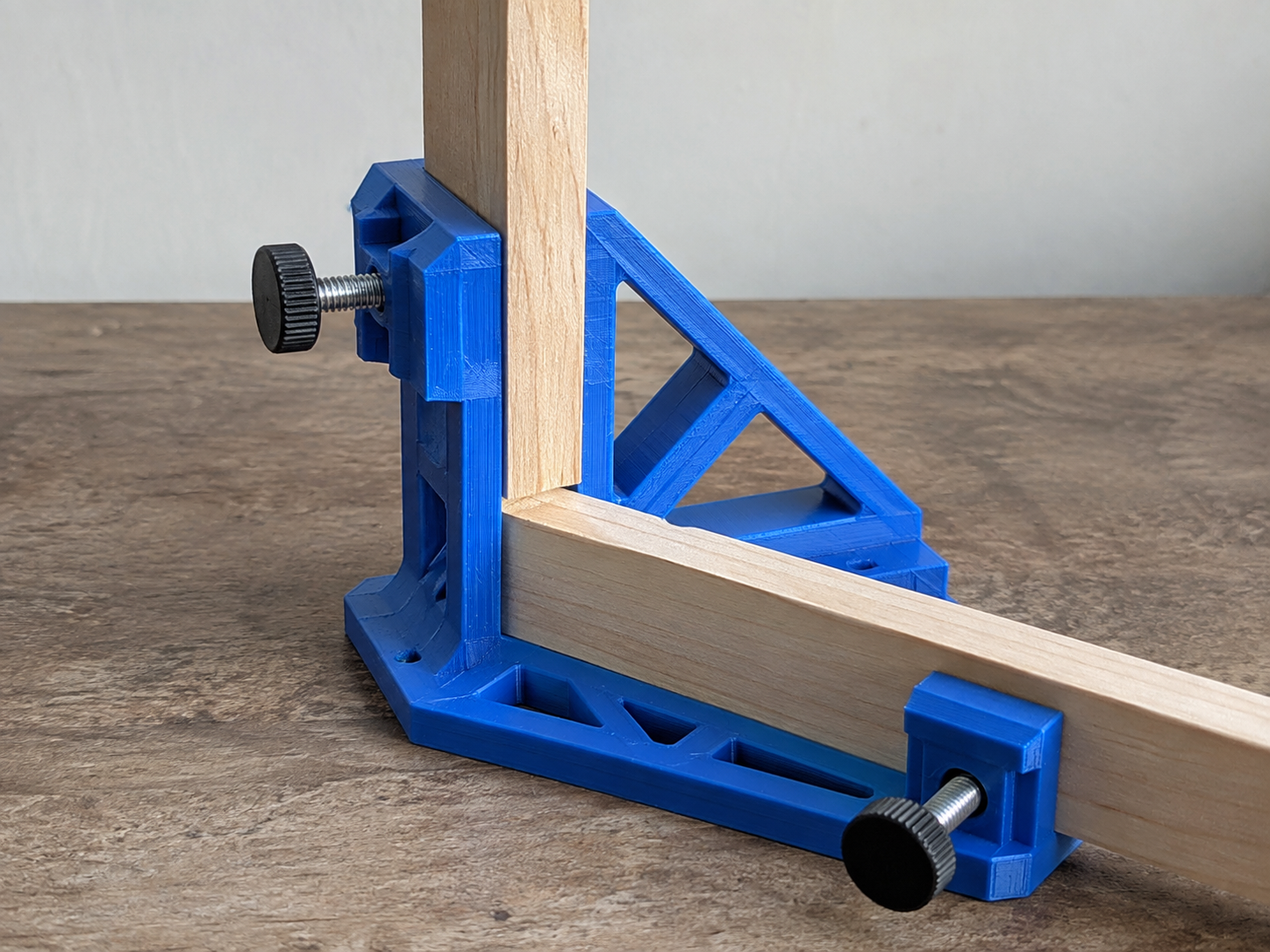
A lightweight tool or fixture that reduces material use while maintaining required strength
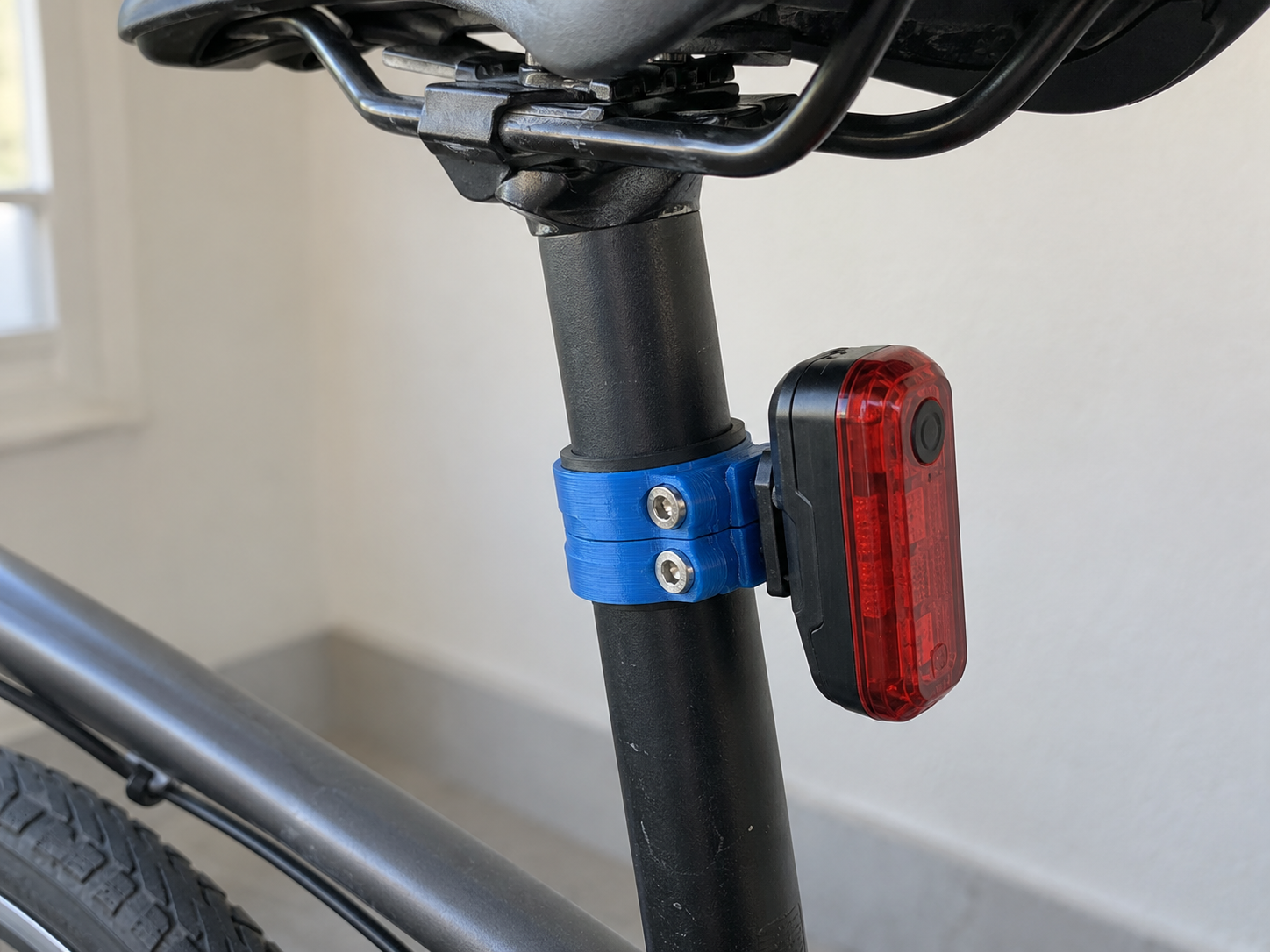
A redesigned bicycle, vehicle or mobility component that improves safety or usability

Undergraduate students currently enrolled at a participating institution may enter in teams within the configured team-size limits.
No. Projects may address broader inclusive, sustainable, user-centred and everyday engineering problems.
Yes. The main designed component must be manufactured using FDM and must be essential to the solution.
Yes, when the material selection is technically or environmentally justified.
No. They illustrate the breadth of the challenge. Teams should identify their own problems and develop original solutions.
Build a team, identify a genuine problem and develop a functional solution using additive manufacturing.